12 Jul 2026
California Cardrooms Confront New Restrictions on Blackjack-Style Games

Regulations approved in February 2026 took effect on April 1 of that year and they prohibit traditional blackjack along with player-dealer formats at cardrooms throughout California, and facilities such as Artichoke Joe’s Casino in San Bruno have already reported projected revenue declines plus staffing adjustments while city budgets that depend on gaming taxes prepare for shortfalls.
State officials crafted the measures to enforce stricter rotation rules for the player-dealer position and those requirements aim to align cardroom operations with existing legal boundaries on house-banked games, yet operators contend the changes effectively eliminate core offerings that have sustained their businesses for decades.
Details of the Approved Regulations
The February 2026 approvals introduced explicit limits on how cardrooms may structure blackjack-style play and they mandate frequent rotation of the player-dealer role so no single participant can maintain continuous control over the bank, and the rules also bar certain side bets and payout structures that previously allowed venues to mimic house-banked blackjack without crossing statutory lines.
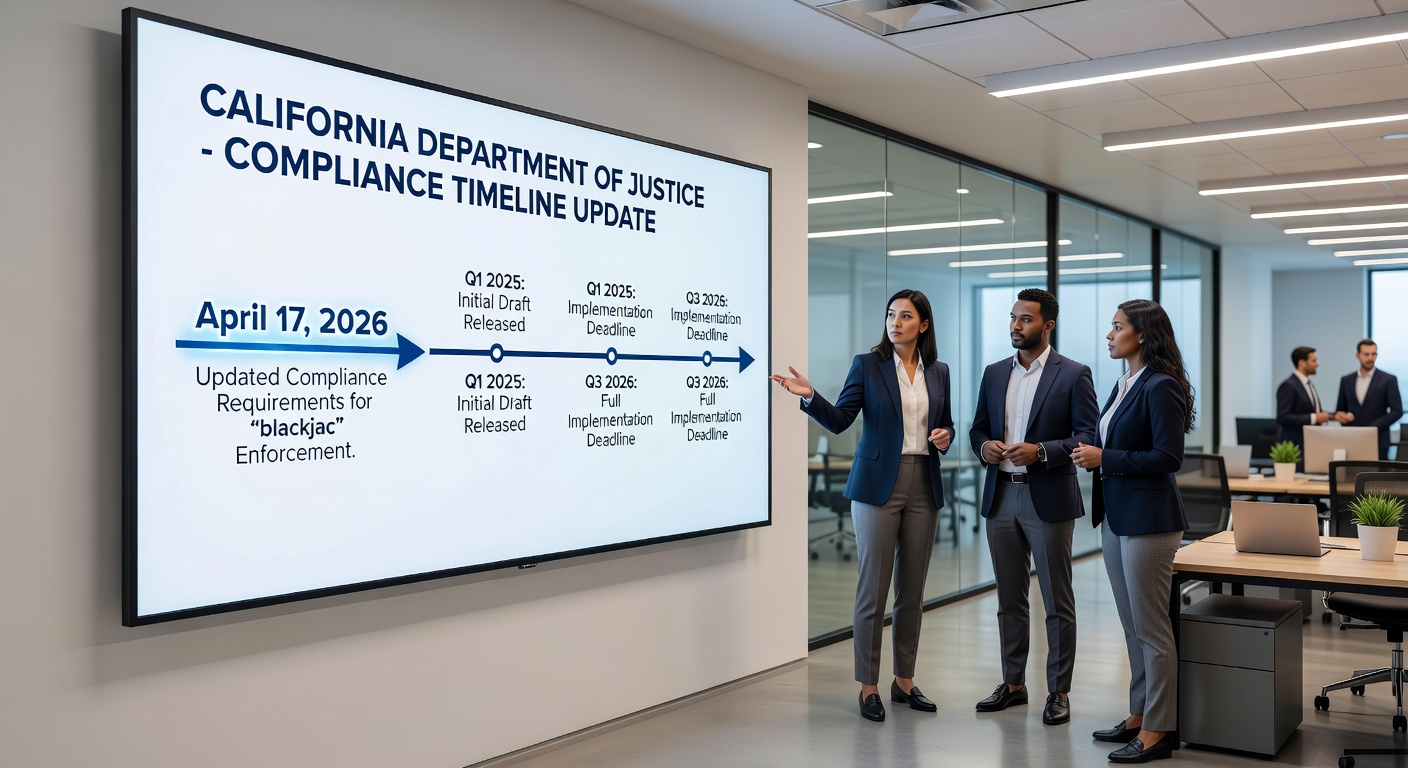
Observers note that these provisions build on prior guidance from the California Department of Justice and they reference the document titled Regulations: Rotation of the Player-Dealer Position & Blackjack-Style Games which outlines compliance steps for licensed facilities.
Effects at Artichoke Joe’s Casino
President Cody Sammut of Artichoke Joe’s Casino described the potential consequences during public statements and he highlighted expected reductions in table volume, employee hours, and municipal tax collections that support local services in San Bruno, and similar warnings have surfaced at other cardrooms that rely on these games for the majority of their floor revenue.
Data collected by industry associations before the April 1 effective date showed blackjack-style tables generating between 40 and 60 percent of total cardroom income at many locations, and those figures indicate why the sudden prohibition created immediate planning challenges for operators who must now redesign their gaming menus.
Legal Challenges and Industry Response
Cardroom operators filed lawsuits shortly after the February approvals and they argue the new rotation mandates exceed the Department of Justice’s regulatory authority while also violating due-process protections, and court filings claim the rules amount to an indirect ban that was never authorized by statute.
Hearings scheduled for later in 2026 will examine whether the regulations properly interpret existing law or whether they impose substantive changes that require legislative action, and several venues have already adjusted dealer schedules and marketing plans while awaiting judicial outcomes.
Status in July 2026
By July 2026 most affected cardrooms had removed prohibited blackjack variants from their floors and they substituted alternative games that comply with the rotation rules, yet revenue reports for the second quarter showed noticeable drops at locations that previously featured the banned formats, and city finance departments began revising projections for the remainder of the fiscal year.
Some facilities introduced modified player-dealer games that rotate positions every hand or every few hands, and early indicators suggest these adaptations recover only a fraction of the former volume because patrons accustomed to traditional blackjack have reduced their play or shifted to tribal casinos outside the new restrictions.
Broader Implications for Local Economies
Municipalities that collect fees and taxes from cardroom operations now track monthly data to measure the full scope of the changes, and preliminary tallies released in June 2026 pointed to declines ranging from 15 to 25 percent in gaming-related revenue at several cities, and those shortfalls have prompted discussions about budget reallocations or fee adjustments for other business sectors.
Employment figures at impacted sites reflect reduced dealer shifts and support-staff hours, and workforce analyses conducted by regional labor groups indicate hundreds of positions could transition to part-time status or disappear entirely if the regulations remain unchanged.
Conclusion
The February 2026 regulations continue to reshape cardroom operations across California and the legal proceedings underway will determine whether the current framework stays in place or undergoes revision, while facilities such as Artichoke Joe’s Casino and the communities that depend on their contributions monitor each development for signs of stabilization or further disruption.