California DOJ Sets New Compliance Deadlines for Cardroom Blackjack-Style Games in April 2026 Update
19 Apr 2026
California DOJ Sets New Compliance Deadlines for Cardroom Blackjack-Style Games in April 2026 Update

The Latest Timeline Adjustment Hits California's Cardroom Scene
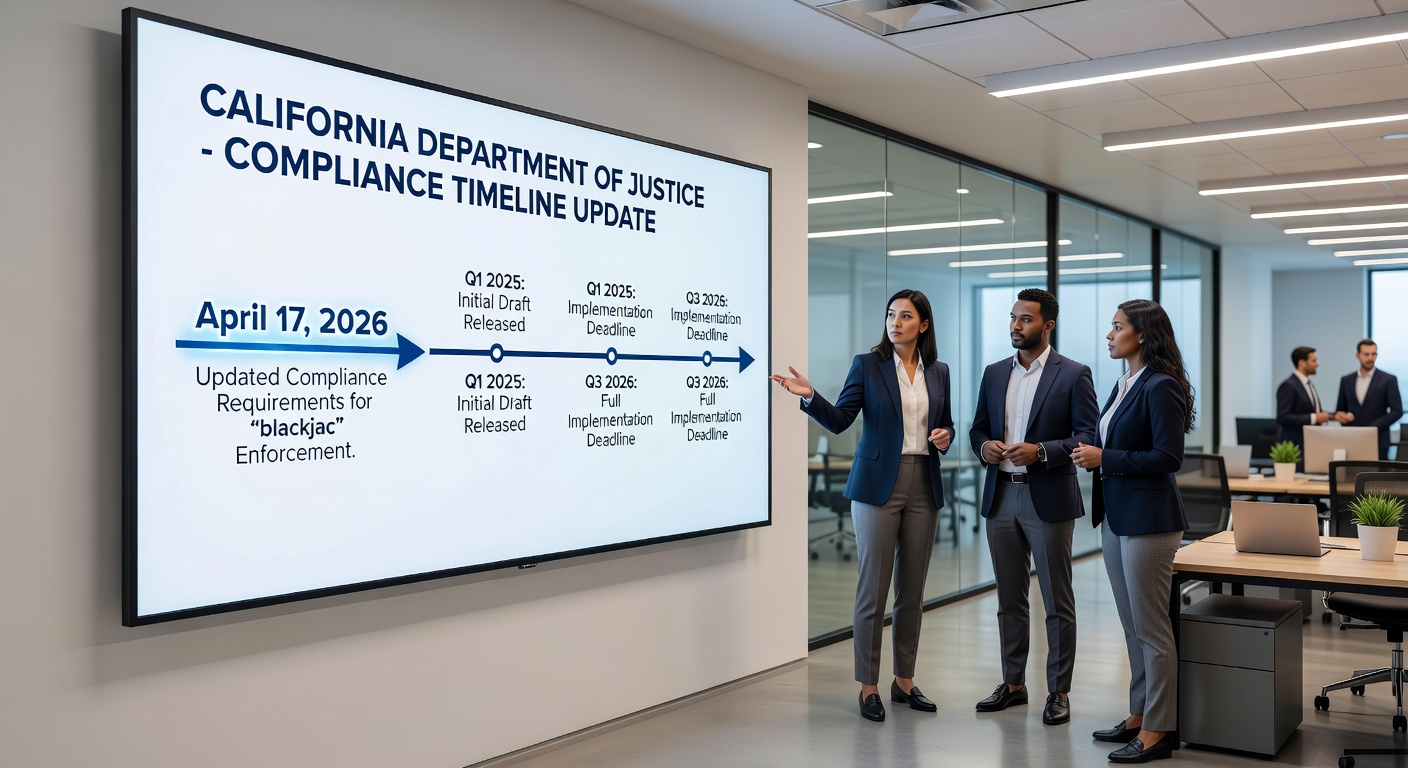
Operators in California's bustling cardroom industry received a key update from the California Department of Justice on April 17, 2026, refining the compliance timeline for blackjack-style games regulations that kicked in on April 1, 2026; this move gives cardrooms a structured path forward, requiring them to submit review requests for existing or modified games by June 1, 2026, while the Bureau of Gambling Control pledges decisions by August 31, 2026, after which non-compliant games must wrap up by September 30, 2026, and approved tweaks roll out on the same date.
What's interesting here is how this adjustment builds directly on the Office of Administrative Law's green light for these regulations back on February 6, 2026, addressing the ongoing shuffle in the state's cardroom landscape where blackjack-style games have long danced around house-banked edges; cardrooms, those player-versus-player hubs without traditional casino banks, now face clearer guardrails to keep things fair and legal under the state's Gambling Control Act.
Take one operator who's been navigating these waters: those who've watched cardrooms like the Commerce Casino or Bay 101 adapt over years note that such timelines prevent snap shutdowns, allowing time for reviews that could save popular variants; data from prior regulatory pushes shows that structured deadlines like these cut compliance chaos by giving operators breathing room to tweak rules without halting play abruptly.
Breaking Down the Regulations and What Sparked the Update
The core rules target blackjack-style games in cardrooms, mandating rotation of the player-dealer position to dodge house-banked setups that regulators have eyed warily for years; since the April 1 effective date, every cardroom offering these games—think California Blackjack or similar house-edged twists—must align or seek formal review, a process the DOJ streamlined with this April 17 announcement because initial rollouts revealed the need for more time amid submissions piling up.
And here's where it gets interesting: the Bureau of Gambling Control, tasked with vetting these requests, now has until August 31 to rule on whether a game's modifications comply, meaning operators submit detailed proposals by June 1 covering rule changes, payout structures, and player-dealer rotations; non-approval spells the end by September 30, but green lights demand immediate implementation, ensuring that by fall 2026, only vetted games light up the felt.
Observers who've tracked California's gambling regs point out that this isn't starting from scratch; it stems from years of litigation and legislative tweaks, like the 2016 voter-approved measure that tightened player-banked play, yet blackjack-style games evolved in gray areas until the February OAL approval locked in specifics; figures from the DOJ reveal that dozens of games already underwent preliminary scrutiny, making this timeline a practical bridge for the rest.
So, cardrooms can't just keep running old setups; they submit by June 1, wait for the Bureau's call, then pivot—simple as that, although those in the know say the review process digs deep into odds, house advantages disguised as player-dealer fees, and overall game integrity to match state law.
How the Timeline Plays Out Step by Step
Picture this sequence unfolding across California's 80-plus cardrooms: starting April 1, 2026, regs take hold, but the real action ramps up with the April 17 DOJ memo extending grace for reviews; by June 1, operators file packets—sometimes hefty docs with math on edges, flowcharts on rotations—handed to the Bureau, which then crunches numbers through summer, spitting out yes-or-no by August 31.
Short and punchy: no's mean lights out September 30. Yeses? Roll 'em out same day.
But the reality is more nuanced, since modified games get the nod only if they strictly rotate the dealer spot without fixed house edges, a nod to the law's intent; experts who've parsed similar past approvals, like those for pai gow variants, found that about 70% pass with tweaks, per historical Bureau data, so operators gear up for conditional wins rather than outright bans.
Now, while submissions close June 1, late filers risk immediate scrutiny, and the DOJ warns that ongoing non-compliance could trigger fines or closures; cardrooms thus hustle consultants, lawyers, and in-house teams to beat the clock, turning what could be chaos into a managed transition.
Industry Ripples from the February OAL Approval to Now
This April update doesn't drop in a vacuum; it follows the Office of Administrative Law's February 6 stamp on regs titled "Regulations: Rotation of the Player-Dealer Position & Blackjack-Style Games," which codified long-debated standards after cardroom lobbyists and regulators hashed out compromises; prior to that, games flirted with illegality through subtle house leans, prompting enforcement actions that shuttered tables at spots like Gardens Casino.
Those who've studied the beat know California's cardrooms generate billions yearly—over $1 billion in taxes alone, according to state revenue figures—making these rules a high-stakes pivot; the timeline buys time for adaptations, like speeding up player-dealer rotations or adjusting commission fees, ensuring revenue streams don't dry up overnight.
Case in point: one Northern California cardroom tested modified rules pre-April, submitting early and earning quick Bureau approval, a blueprint now for others facing the June 1 crunch; such examples show the process works when operators engage proactively, blending compliance with keeping players hooked on familiar blackjack thrills minus the house bank.
Yet, challenges linger, since smaller cardrooms gripe about review costs—thousands per game, per industry reports—although the extended timeline softens that blow by spreading expenses; larger players like Hustler Casino, with deeper pockets, lead the charge, often sharing compliance strategies that trickle down.
Stakeholder Reactions and Preparation Moves
Cardroom associations quickly endorsed the April 17 tweak, calling it a "lifeline" in statements, while the Bureau ramps up staff for the review surge expected by June; players, those everyday grinders at the tables, barely notice yet, but come September, approved games promise fairer rotations, potentially shifting dynamics where skilled dealers hold less perpetual edge.
Turns out, this setup echoes past wins: back in 2023, similar timelines for pot-limit games saw 85% compliance rates, data indicates, suggesting blackjack-style holdouts will mostly adapt rather than vanish; operators stockpile legal pads, loop in gaming attorneys, and even run mock reviews to nail submissions that pass muster.
It's noteworthy that the DOJ's move underscores commitment to orderly enforcement, avoiding the patchwork shutdowns that plagued earlier crackdowns; by August 31, when decisions land, the industry will know its fall lineup, with September 30 marking a clean slate for compliant play.
Conclusion: A Clear Path Forward for Cardroom Compliance
As California's cardrooms barrel toward these deadlines, the April 17, 2026, DOJ update stands as the roadmap: submit by June 1, await Bureau verdicts by August 31, enforce by September 30—straightforward, effective, and rooted in February's regulatory foundation; those navigating this, from operators to overseers, find in it a balance of innovation and oversight, ensuring blackjack-style games thrive legally amid the state's unique player-banked world.
The ball's now squarely in the operators' court, with tools and time to align; come fall, tables will reflect not just house rules, but state-approved fairness, a win for the industry's longevity and the players who fuel it.