15 May 2026
Cardrooms Launch Legal Challenge Against California Blackjack Regulations
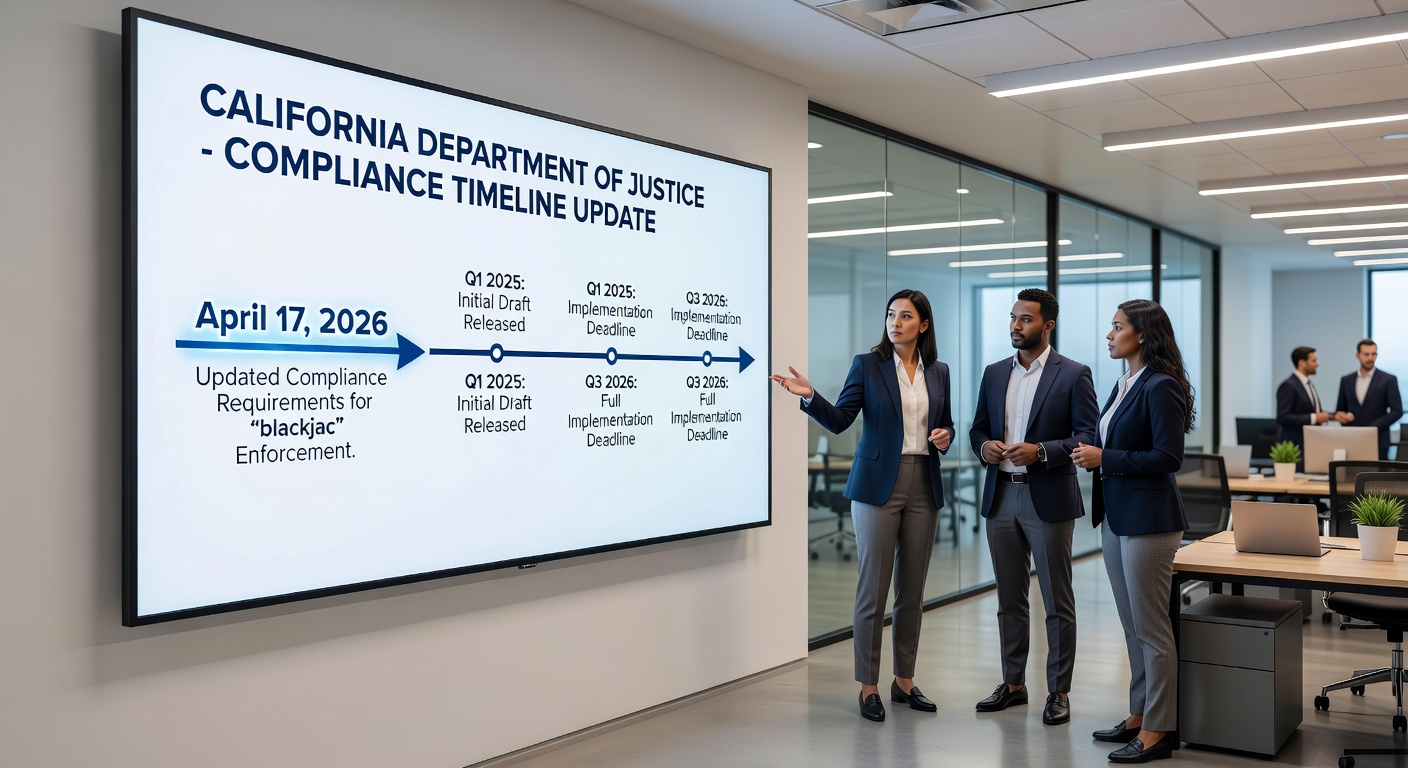
 California cardrooms along with the California Gaming Association have initiated a lawsuit that seeks a preliminary injunction to stop new state regulations from taking full effect. These rules target blackjack-style games and player-dealer formats in non-tribal cardrooms, and they became active on April 1 after approval through the Office of Administrative Law. The action comes from the Department of Justice under Attorney General Rob Bonta, and it focuses on enforcing limits that cardroom operators argue exceed existing statutory boundaries. The complaint filed in court contends that the regulations effectively prohibit core offerings that have operated for years under player-banked structures. Cardrooms maintain that these formats comply with state law when structured properly, yet the new measures impose restrictions that remove player-dealer options and similar variants across multiple venues. Observers note that the filing asks the court to pause enforcement while the underlying legal questions receive full review.
Background on the Regulatory Shift
The regulations stem from efforts by the Department of Justice to align cardroom operations more strictly with longstanding prohibitions on house-banked games outside tribal lands. Data from state records show that cardrooms have relied on player-dealer models where participants rotate in the dealer position, which differs from traditional casino banking. The Office of Administrative Law Approves DOJ Card Room Regulations document outlines the approval process that cleared the rules for implementation on April 1.
Non-tribal cardrooms operate under local ordinances in cities across the state, and the new standards require changes to game rules that eliminate certain blackjack-style elements. Those who've tracked the industry point out that similar enforcement attempts have surfaced in prior years, yet this round includes specific compliance deadlines tied to the spring rollout. The lawsuit argues that the measures amount to a de facto ban on revenue-generating activities without corresponding legislative action.
Economic Pressures on Local Communities
The filing highlights potential job losses that could reach into the thousands if the regulations stand without modification. Cardrooms in Southeast Los Angeles County contribute tax revenue to municipal budgets, and city officials have expressed concerns that closures or reduced operations would force either service cuts or local tax increases to offset shortfalls. Figures from industry analyses indicate that player-dealer games account for a substantial portion of daily tables in affected locations, which directly ties into payroll and vendor payments.
One study of regional gaming markets revealed that cardroom activity supports ancillary businesses including restaurants, security firms, and transportation services. When those tables close or convert to limited formats, the ripple effects extend beyond the gaming floor. The preliminary injunction request seeks to preserve current operations during litigation, which could span several months and include hearings that stretch into later periods such as May 2026 if appeals arise.
Positions from Tribal Interests and Cardroom Operators
Tribal gaming representatives have voiced support for the regulatory changes, describing them as necessary enforcement of laws that reserve house-banked blackjack exclusively for sovereign tribal casinos. They reference compact agreements and voter-approved propositions that established clear divisions between tribal and non-tribal gaming zones. Data compiled by tribal advocacy groups shows consistent growth in tribal facilities alongside stable cardroom numbers prior to the April 1 adjustments.
Cardroom operators counter that the rules disrupt established business models without providing transition pathways or grandfather provisions. The California Gaming Association coordinates the legal response, and its statements emphasize that the formats in question do not involve the house taking a direct banking role. Experts who have reviewed similar disputes note that courts have historically examined the precise mechanics of player-dealer rotation when determining compliance status.
Procedural Next Steps in the Lawsuit
The request for a preliminary injunction requires the plaintiffs to demonstrate likely success on the merits, irreparable harm absent relief, and that the balance of equities favors pausing the rules. Court calendars suggest initial hearings could occur within weeks of filing, with possible extensions if additional evidence or expert testimony enters the record. Those following administrative law cases observe that challenges to gaming regulations often involve detailed comparisons of game rules against statutory definitions of banking.
City governments in affected areas have begun contingency planning that includes budget revisions and potential ballot measures for revenue replacement. The economic modeling shared in public meetings projects shortfalls in the millions annually for mid-sized municipalities that host multiple cardrooms. Meanwhile, state enforcement teams continue monitoring compliance, although the lawsuit creates uncertainty around immediate penalties during active litigation.
Conclusion
The lawsuit filed by cardrooms and the California Gaming Association places the new regulations under judicial scrutiny at a moment when operational changes have already started. Outcomes will hinge on interpretations of existing statutes versus agency authority, with potential consequences for employment, municipal finances, and the broader structure of legal gaming in California. As proceedings advance, stakeholders on both sides await rulings that clarify the scope of permissible games in non-tribal settings.